
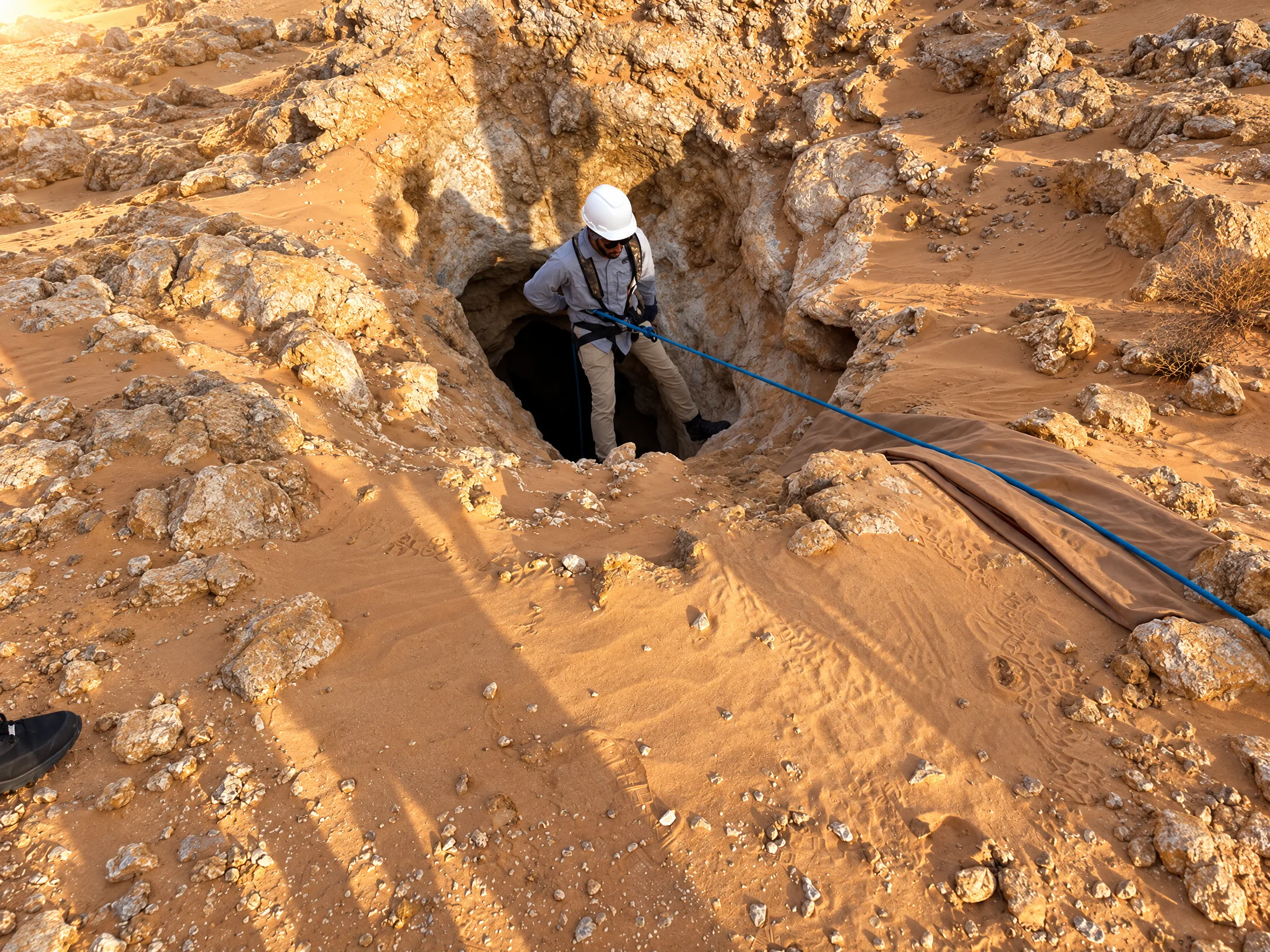
Rappelling looks simple when an experienced person moves calmly down a rope, but that movement depends on anchors, equipment, inspection, communication and a rescue plan. A first experience should never be a self-taught attempt or an imitation of a video. It should be supervised training in an environment suitable for learning.
Understand the system before approaching the edge
Ask for a clear explanation of the rope path, anchor, descender, backup or belay, and landing zone. Know the commands and what happens if you stop, lose control or trap clothing in the device. The edge is one of the most sensitive parts of the activity because it combines fall exposure, difficult movement and rope abrasion. Enter the exposed area only while connected to the protection system as instructed.
Perform a partner check
Check the harness and buckles, helmet, knots or attachment points, descender, connectors and locking direction, and the rope path. Conduct the check aloud so both people know what has been verified. Experience never replaces inspection. Small mistakes can happen to anyone, and a consistent routine prevents them from becoming incidents.
Body position and control
The instructor teaches foot placement, body angle and the location of the brake hand. Movement should be gradual rather than theatrical jumps. Watch the foot path and landing zone, and never wrap rope around the hand or body. If fear rises, stop in a stable position and communicate. Do not pull equipment or change hand technique independently.
Clothing, hair and loose objects
Wear clothing that permits movement without long parts that can enter the descender. Tie long hair, remove scarves and necklaces, secure pockets and leave the phone in a safe place. Use closed footwear with reliable grip and gloves only when they are part of the training system. Photography should be handled by someone separate from the descent, not by the participant controlling the rope.
Equipment and standards
Use activity-specific equipment in serviceable condition and follow manufacturer instructions, service life and inspection records. Standards and labels do not replace maintenance, but they help identify equipment tested to defined requirements. Do not combine components or systems without understanding compatibility, and never use a rope exposed to chemicals, heat or unknown loading.
When to cancel
Strong wind, rain, lightning, falling rock, poor visibility or an unprepared participant are sufficient reasons to stop. The same applies when rescue, communication or emergency access is inadequate. Cancellation is not failure; it is a safety decision. The activity can be attempted again in better conditions, while ignoring warning signs increases risk for the participant and team.